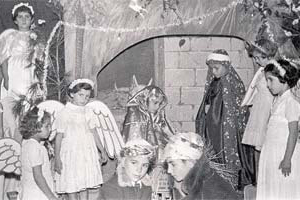
Learning & culture
Angeliki Damala
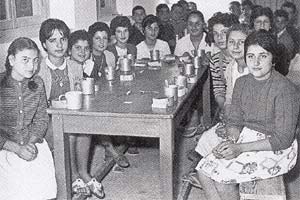
A school open to village life
The teacher who brought learning, theatre and community support together.
Read the story ↗Behind the stone façades, lives worth remembering.
A school meal prepared downstairs. Water carried home in a jug. A life rebuilt abroad, with Kalamoti still in view. Illustrated stories follow the work, choices and shared efforts behind the village’s public life. Read the fuller biographies, open the original archives and take the stories into your own walk.
Open the journal ↓
No stories match. Try another name or reset the filters.
A school open to village life
The teacher who brought learning, theatre and community support together.
Read the story ↗A village cared for, quietly
From Kalamoti’s post office to small gestures on the Komi shore.
Read the story ↗Far away, still connected
A journey to America that became a lasting contribution at home.
Read the story ↗Beyond the classroom
A teacher whose work connected education with collective effort.
Read the story ↗Light for the village. Room to learn.
An emigrant’s return became part of the story of schooling and electricity.
Read the story ↗A gift carried home in water jugs
The memory of water reveals the value of shared infrastructure.
Read the story ↗Giving care a place of its own
A community clinic for Kalamoti and its neighbouring villages.
Read the story ↗The village, on the other side of the camera.
A family photograph keeps more than a face. Maistros’s story opens a window onto the work of recording village life.
Read the story ↗Giving the village a history to return to.
Books, photographs and recorded events help a community remember beyond one generation. Meet an educator who made that work part of his connection with Kalamoti.
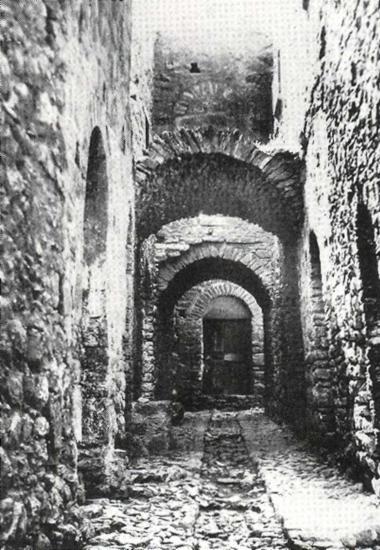
Read the story ↗In 2025, the Panayotis and Effie Michelis Foundation presented Giorgis Gerolympos’s Kalamoti photography project. Nikos Vatopoulos’s Kathimerini article connects its buildings, residents and landscape with the question of preserving a living settlement. Explore the original photographs and reporting alongside the older archive. The Athens exhibition ended on 22 December 2025.
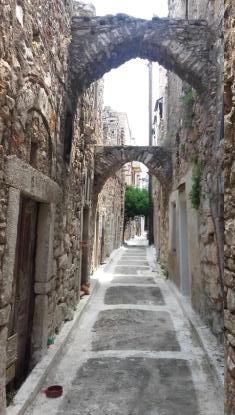
S. Kossieris, O. Kourounioti, P. Agrafiotis & A. Georgopoulos · NTUA · Catalogue / original · CC BY 4.0
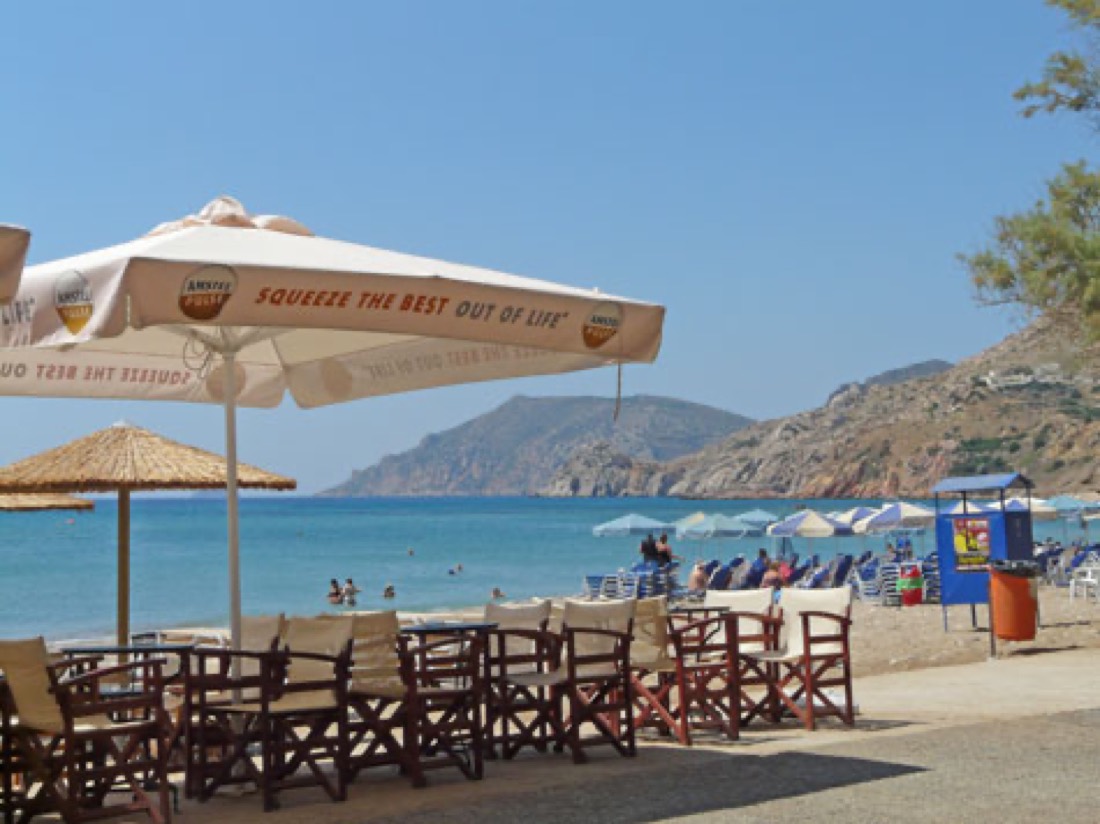
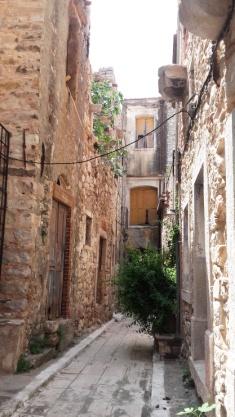
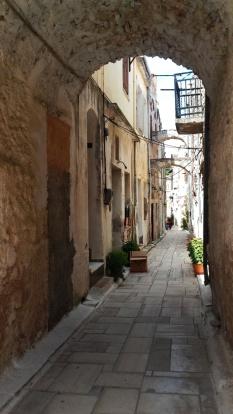
This guide photograph shows the village setting. Gerolympos’s work is presented on the linked publishers’ pages.
These are original summaries of published biographies and recorded oral history. We did not conduct these interviews. Each story links to its source; personal recollections are attributed to that account. The collection is a starting point, not a complete history of Kalamoti’s people.
Explore the history & architecture ↗Old photographs, winter music and a gift to local heritage. Public Facebook posts open a window onto village life.
Meet Kalamoti’s benefactors, discover what their gifts made possible, and find a thoughtful way to contribute today.
A walk you loved, a family memory, a photograph worth keeping. Send your experience to help others discover the village through your eyes.
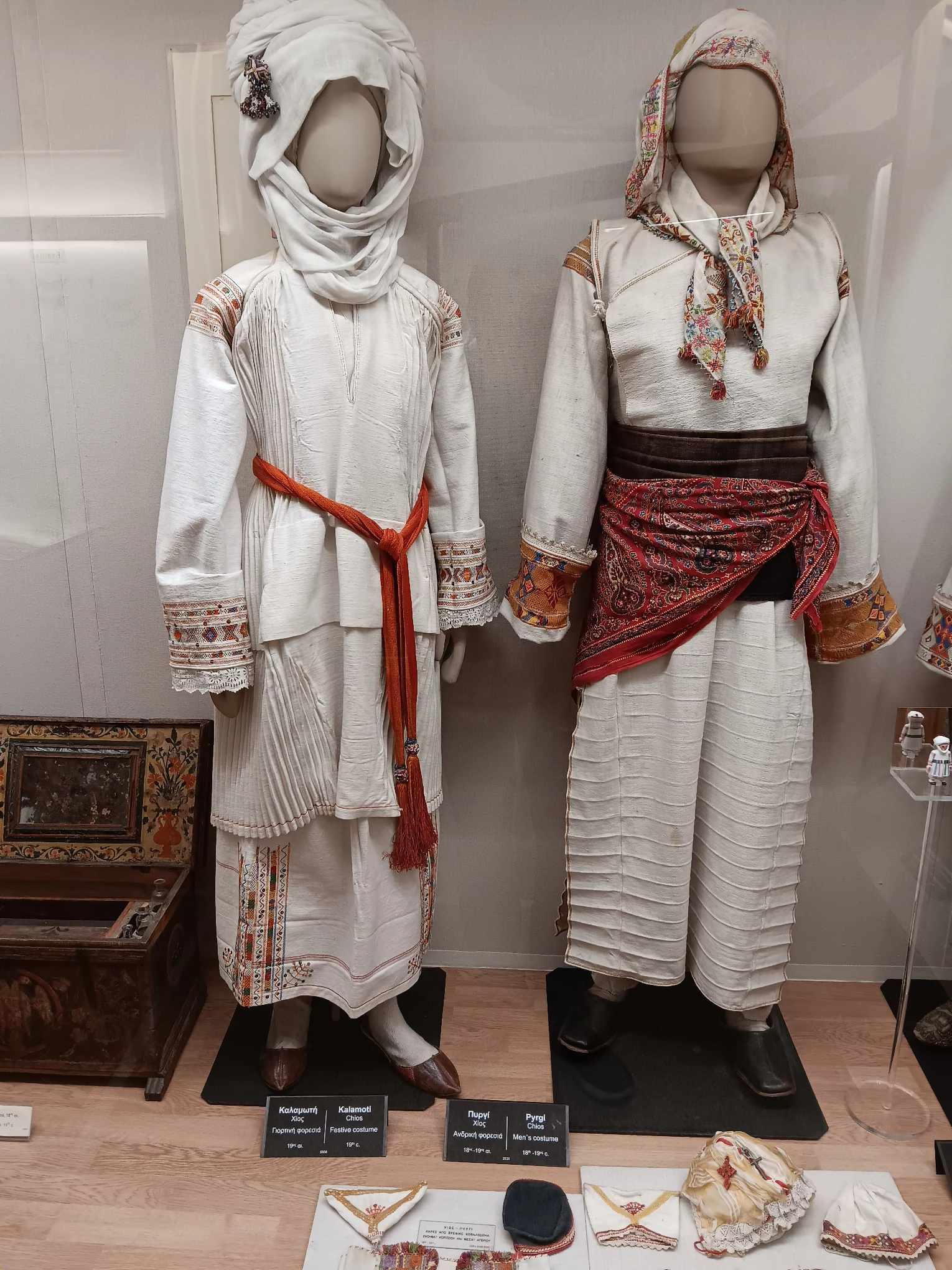
Place these individual lives beside memories of household work and neighbours. The streets become easier to read when names, shared needs and ordinary routines enter the picture.
In her 2020 Istorima interview, Evangelia Misailidou remembers a village of shops and evening gatherings, and women carrying water from communal taps. Her account brings the infrastructure in the benefactors’ biographies down to the scale of a household. This is a resident’s recollection, not a present-day inventory of services.
Istorima · Evangelia Misailidou, 24 August 2020 ↗